
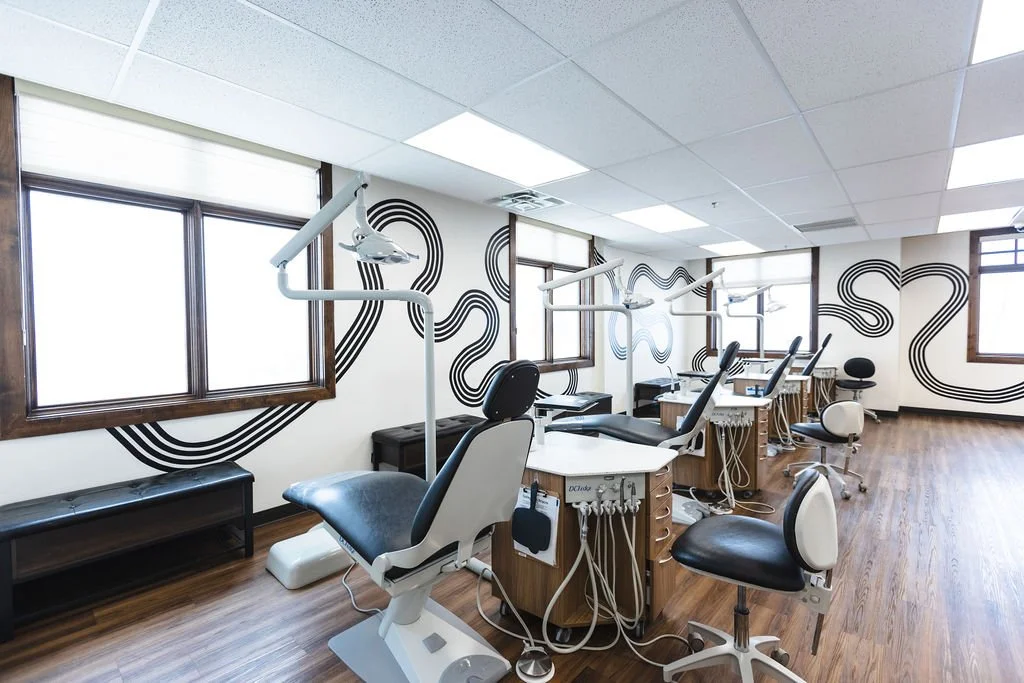
How an orthodontist differs from a dentist, the eight questions to ask any practice you consider, and exactly what happens at a consultation. Written to be useful whether or not you end up at East Idaho Orthodontics.
Medically reviewed by Dr. Andy Higham, DDS, MS, orthodontist — East Idaho Orthodontics. Last reviewed October 2026.
How to Choose an Orthodontist in Idaho Falls
Choosing an orthodontist comes down to eight questions: whether the doctor completed an orthodontic residency, who actually delivers the treatment, whether the price is fixed in writing, what happens to retainers after treatment, whether you can see results in a case like yours, what diagnostic technology is used, whether the schedule fits your life, and what patients say in detail. This guide explains each, and then states plainly how East Idaho Orthodontics answers them.
Key takeaways
- Eight questions: residency, who you see, fixed price, retention, comparable cases, records, schedule, specific reviews.
- Retention is where practices differ most and talk least.
- Use the questions on any practice — including this one.
The eight questions
Where did the doctor complete an orthodontic residency? A specialist has two to three years of accredited training beyond dental school. Ask, or check the AAO directory.
Who will I actually see? Some practices run high volume with the doctor appearing briefly. Ask how much of each visit is with the orthodontist.
Is the price fixed, and what does it include? Get it in writing. Ask specifically about records, emergency visits, retainers and what happens if treatment runs long.
What happens after treatment? What retainers cost to replace and for how long the practice stands behind the result. This is where practices differ most and talk least.
Can I see a case like mine? Not the gallery — a case with your problem, with the time it took.
What records are taken? Digital scanning and a panoramic X-ray at minimum; a lateral X-ray for bite problems.
Does the schedule work? One to two years of visits. Location, hours, and whether appointments run on time.
What do reviews say specifically? Look for reviews that name a treatment, a problem solved, and a staff member — not just stars.
How East Idaho Orthodontics answers each
| QUESTION | ANSWER |
|---|---|
| Residency | Dr. Higham and Dr. Elliott: University of Oklahoma, orthodontics and dentofacial orthopedics, with master’s degrees. Practice limited to orthodontics. |
| Who you see | The orthodontist examines at every visit. |
| Price | Fixed in writing at the free consultation. Includes records, all visits, emergencies, removal and first retainers. |
| After treatment | First retainers included. Never Stop Smiling…Ever program: ten years of replacements at a $30–$50 copay, no yearly maximum, priority appointments — the only ten-year program in the area. |
| Results | Case studies by problem type, with ages, appliances and durations. |
| Records | iTero digital scanner, panoramic and cephalometric X-rays, and CBCT 3D imaging at both offices. |
| Schedule | Two Idaho Falls offices, five days a week, appointments built to start on time. |
| Reviews | 5.0 stars across 178 Google reviews at our John Adams office and 4.8 stars across 43 at our West office; read them for specifics. |
Frequently asked questions
-
There is no ranking that answers that honestly. Use the eight questions above with any practice you consider, including ours.
-
If the plans or prices you have been given differ significantly, yes. Consultations here are free and second opinions are welcome.
Orthodontist vs. Dentist: What’s the Difference for Braces?
An orthodontist is a dentist who completed an additional two to three years of full-time, accredited residency training in tooth and jaw alignment and whose practice is limited to that specialty. Any licensed dentist may legally provide braces or clear aligners. For simple cases, many general dentists do it well. The difference shows in diagnosis and in complex cases — skeletal problems, impacted teeth, severe crowding, growing children — where the plan matters more than the appliance. Dr. Andy Higham and Dr. Steven Elliott of East Idaho Orthodontics are residency-trained orthodontists.
Key takeaways
- An orthodontist has 2–3 years of accredited residency beyond dental school; any dentist may legally offer braces.
- For simple adult aligner cases, a good general dentist is a reasonable choice.
- Children, bite problems, impactions, and relapse belong with a specialist.
Training compared
| GENERAL DENTIST | ORTHODONTIST | |
|---|---|---|
| Dental school | 4 years | 4 years |
| Orthodontic residency | None (optional short courses) | 2–3 years, full time, accredited |
| Scope | All of dentistry | Orthodontics and dentofacial orthopedics only |
| Cases per year | A few aligner cases alongside general care | Hundreds of orthodontic cases |
| May call themselves | "Dentist offering braces/aligners" | "Orthodontist" / "orthodontic specialist" |
When a general dentist is a reasonable choice
Mild crowding or spacing in a healthy adult mouth, with no bite problem, treated with aligners by a dentist who does a reasonable number of cases. Convenience — one office for everything — is a real benefit.
When to see an orthodontist
Any child — growth changes everything about the plan
Impacted or missing teeth
Severe crowding, extraction decisions
Relapse after previous treatment
Anything a dentist has called "borderline"
Is an orthodontist more expensive?
Usually not, for comparable treatment. Fees in Idaho Falls are in a similar range. The cost difference shows up when a case turns out to be harder than it looked and has to be re-planned or referred midway.
Frequently asked questions
-
No. Anyone can book directly.
-
Yes — routinely. We report back to referring dentists at each stage.
-
Ask where they completed their orthodontic residency, or look them up in the American Association of Orthodontists directory.
What Happens at an Orthodontic Consultation?
A consultation at East Idaho Orthodontics is free, takes about 60 minutes, and ends with a written treatment plan and an exact price. It includes a clinical exam by Dr. Andy Higham or Dr. Steven Elliott, an iTero digital scan, a panoramic X-ray and photographs, a discussion of every option that would work for the case, and insurance verification. There is no obligation and no pressure to start that day.
Key takeaways
- About 60 minutes: history, iTero scan, panoramic X-ray and photos, exam and options, then the exact price in writing.
- Free, no referral needed, and treatment can start the same day if you are ready.
- Bring your insurance card and any recent dental X-rays.
What happens, step by step
Check-in and a short history — concerns, previous treatment, medical background. About 10 minutes
Photographs, an iTero digital scan and a panoramic X-ray so the doctor can see what is happening below the gumline. About 15 minutes
The exam and the conversation: what needs to move, which appliances would work, how long it would take. About 20 minutes
The treatment coordinator reviews the exact fee, your insurance benefit, and payment options, and puts it in writing. About 15 minutes
What to bring
Insurance card, if you have dental coverage
Any recent dental X-rays your dentist can send ahead
A list of questions — cost, time and "what if we wait" are the usual ones
Can treatment start the same day?
Yes, if the patient is ready and the schedule allows. There is no advantage to deciding on the spot, and we do not ask you to.
Second opinions
If you have a plan and a price from another practice, bring them. We will tell you plainly whether we would do anything differently and why — including when the answer is no.
Frequently asked questions
-
Yes — the exam, records and treatment plan. There is no charge whether or not you start treatment.
-
No.
-
Usually within a few business days at either office.
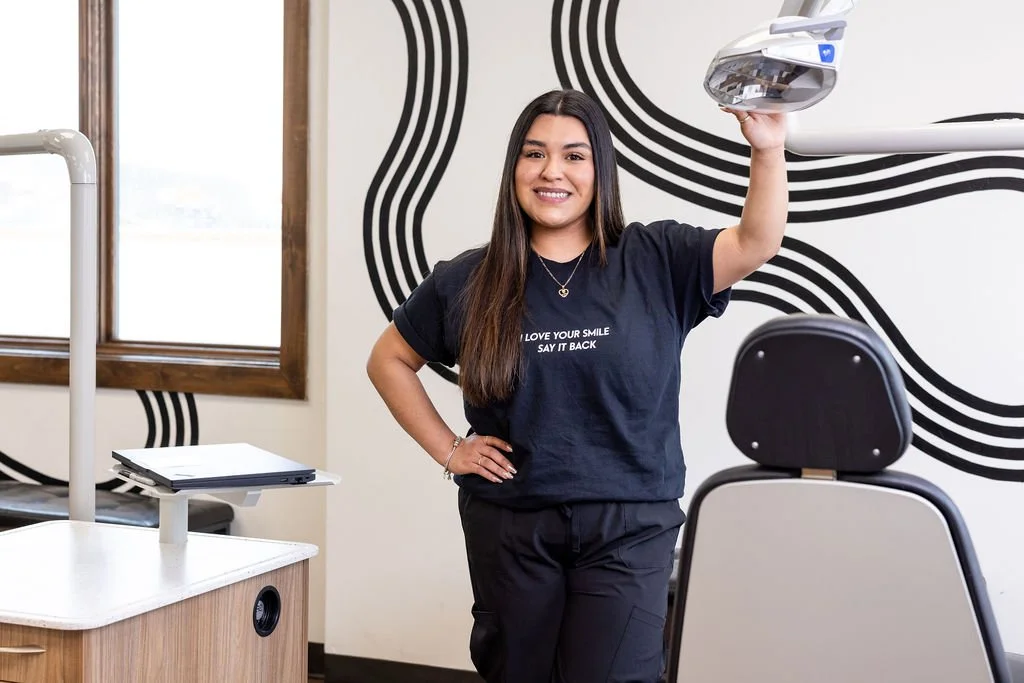
Ready to talk it through?
Consultations at East Idaho Orthodontics are free, take about an hour, and end with a written plan and an exact price. Request a free consultation.
Related: Meet the team · Orthodontic Resource Center